Best Heavy Duty Water Coolers: How to Choose
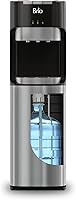
The best heavy duty water cooler for most homes and offices is the Brio Bottom Loading Water Cooler in stainless steel. It takes 3 or 5 gallon bottles, pours hot, room and cold water, and adds a child safety lock plus an empty-bottle alert. Pick the Avalon A4 for a slimmer cabinet, or the Brio Moderna 720 if you want adjustable temperatures and self-cleaning.
On this page (10 sections)
- What does heavy duty mean for a water cooler?
- Why choose a bottom-load cooler for a heavy use home or office?
- Which cooler fits a home kitchen?
- Which cooler suits a busy office break room?
- Which cooler is best for low-maintenance shared use?
- How do the three heavy duty coolers compare?
- Which bottle size should you load?
- Where should you place a heavy duty cooler?
- How do you keep a heavy duty cooler in good shape?
- Verdict: which heavy duty water cooler should you buy?
The best heavy duty water cooler for most homes and offices is the Brio Bottom Loading Water Cooler in stainless steel. It takes 3 or 5 gallon bottles, pours hot, room and cold water, and adds a child safety lock plus an empty-bottle alert.
Pick the Avalon A4 for a slimmer cabinet, or the Brio Moderna 720 if you want adjustable temperatures and self-cleaning.
Heavy duty here means the cooler can handle a full 5 gallon jug day after day without the user lifting it. A bottom-load cabinet does that by letting the bottle slide in at floor level.
This guide compares three bottom-load models and the specs that decide which one fits a home kitchen, a small office or a busy break room.
If you are still deciding whether the bottom-load format is right at all, read are bottom loading water coolers good first. Then come back here to match a model to your space.
What does heavy duty mean for a water cooler?
A heavy duty water cooler is one built to take a full 5 gallon bottle without strain on the cabinet or the person loading it. The bottom-load design is the core of that, because the bottle never has to be lifted above counter height.
A full 5 gallon bottle weighs roughly 40 to 45 lb. On a top-load cooler that weight goes up and over the top, which is awkward and hard on the back.
On a bottom-load cooler the jug slides into a cabinet at floor level, so the lifting problem goes away.
The materials matter too. All three coolers here use stainless steel in the water reservoir or cabinet, which resists rust and holds up to daily use.
Brio says its reservoirs are food-grade 304 stainless steel. Avalon treats high-contact areas with its BioGuard anti-microbial coating.
Temperature settings are the next marker. A basic cooler gives cold water only.
A heavy duty model for an office usually adds hot water for tea and room-temperature water for filling bottles. Look at the bottle fit as well, since a cabinet that takes both 3 and 5 gallon jugs gives you room to downsize or upsize.
Safety and alerts round out the list, and a child safety lock on the hot spout plus an empty-bottle indicator separate a break-room model from a bare-bones dispenser.
Rule: choose a bottom-load cooler with a stainless reservoir, a hot-water safety lock and an empty-bottle alert, and you have covered the heavy duty basics. Everything else is fit and convenience.
Why choose a bottom-load cooler for a heavy use home or office?
A bottom-load cooler is the better fit for heavy use because it removes the lift that causes spills and back strain. The bottle stays at floor level, and the pump sends water up to the spouts.
The everyday win is speed. Swapping a bottle takes seconds when you only have to slide the old jug out and the new one in.
No tipping a 40 lb bottle onto a spike at shoulder height. A top-load bottle can slip while it is being raised, while a bottom-load jug sits in a cabinet, so the risk of a dropped bottle and a soaked floor drops.
The third win is looks. The bottle hides inside the cabinet, so the cooler reads as a small appliance rather than a water station.
That matters in a home kitchen or a client-facing office.
There is a trade-off. Bottom-load coolers use a pump to move water, and the cabinet takes up floor space.
They also cost more than a plain top-load model. For a home or an office with several daily users, the lift savings outweigh the cost.
Brio and Avalon both build the bottom-load cabinet to fit either a 3 or 5 gallon bottle, so you can start with smaller jugs and move up as use grows.
Rule: pick bottom-load if more than one person uses the cooler or anyone has trouble lifting. Pick top-load only if the bottle stays light and space is very tight.
Which cooler fits a home kitchen?
The Brio Bottom Loading Water Cooler in stainless steel is the best fit for a home kitchen. It has the widest set of everyday features and a stainless front that blends with appliances.
Its three spouts give you hot water for tea, cold water for a glass and room-temperature water for filling a kettle. The two-step child safety lock on the hot spout is the feature that matters most in a house with kids.
The LED display and empty-bottle alert take the guesswork out of refills, so the cooler tells you when the jug is running low instead of leaving you with a dry spout mid-pour.
Its cabinet measures 15.6 in deep by 12.2 in wide by 41.4 in tall and weighs about 40.6 lb. Plan for clearance at the back for airflow and room to slide a bottle in and out at the base.
The Brio is freestanding and runs on a cord, so it needs a nearby outlet. Its 198 °F upper temperature rating is hot enough for instant coffee and tea, and the cold side delivers drinking-temperature water without a trip to the fridge.
Rule: choose the Brio for a family kitchen where kids are around and you want hot, cold and room water from one unit. It is the most complete package of the three for home use.
If you want to compare more bottle sizes and brands first, our best 5 gallon water cooler dispenser roundup covers the wider field.
Which cooler suits a busy office break room?
The Avalon A4 Bottom Loading Water Cooler is the best fit for a busy break room. Its stainless steel cabinet and nightlight make it easy to use through a long workday and after hours.
The three temperature settings cover hot drinks, cold water and room-temperature fills. Heating runs at 420W and cooling at 100W, so it keeps up with steady demand without a huge power draw.
The built-in nightlight keeps the spouts visible in a dim break room. The empty-bottle indicator lights up when the jug needs changing, which cuts the number of times someone walks over to a dry cooler.
Avalon also treats high-contact areas with its BioGuard anti-microbial coating, a useful extra where many hands touch the taps and drip tray.
It measures 12 in deep by 13 in wide by 41 in tall and weighs about 38.1 lb. The slim 12 in depth helps it tuck against a wall in a narrow break area.
Avalon says the unit is UL and Energy Star approved, which matters when a facilities team signs off on appliances. For a team that fills bottles all day, pair the cooler with a cleaning routine on the taps.
Avalon's coating helps, but wiping the spouts and drip tray still matters.
Rule: choose the Avalon for an office where people use the cooler after hours and space against the wall is tight. It is the slimmest and most shared-space friendly of the three.
If your office is small, our guide to a water cooler for a small office covers floor space and placement in more detail. For a dedicated office comparison, see the bottom load water cooler for office picks.
Which cooler is best for low-maintenance shared use?
The Brio Moderna 720 Self-Cleaning Bottom Load Cooler is the best fit where cleaning is the chore nobody owns. Its ozone self-cleaning cycle sanitizes the tank and lines, so the deep clean happens without a service visit.
You choose the hot and cold temperatures yourself. Brio says the cold side can go as low as 39 °F and the hot side as high as 174 °F, so you can set the cooler to how your team drinks.
The ozone cycle is meant to run when the cooler will sit unused for at least 90 minutes, and Brio suggests running it overnight. That fits an office that empties in the evening.
The touch controls and LED display keep operation simple, and the two-step child safety lock guards the hot spout.
It measures 14 in deep by 17.5 in wide by 44 in tall. That is the widest cabinet here, so check the spot before you buy.
Brio backs it with a 1-year limited warranty. The stainless steel body and reservoir are built for daily use.
The self-cleaning cycle handles the internal sanitation, while the taps and tray still need a regular wipe. Follow the care guide and run the ozone cycle as directed to keep the cooler in good shape.
Rule: choose the Brio Moderna 720 for an office that wants fewer cleaning tasks and adjustable temperatures. It is the lowest-maintenance pick of the three for shared use.
How do the three heavy duty coolers compare?
The comparison comes down to three needs: everyday home use, a slim office fit and low-maintenance shared use. The Brio wins overall, the Avalon wins on footprint and the Moderna wins on cleaning.
| Product | Best for | Our score |
|---|---|---|
| Brio Bottom Loading Water Cooler, Stainless Steel | most homes and offices | 9.2 |
| Avalon A4 Bottom Loading Water Cooler | a narrow spot | 9.0 |
| Brio Moderna 720 Self-Cleaning Bottom Load Cooler | low-maintenance offices | 8.7 |
On temperatures, the Brio and Avalon both give three settings: hot, room and cold. The Moderna gives two adjustable settings for hot and cold.
All three give you hot water for drinks. On bottle fit, all three take a 3 or 5 gallon jug.
Brio and Avalon both say their bottom-load cabinets remove the lifting and awkward flipping.
On footprint, the Avalon is the slimmest at 12 in deep and 13 in wide. The Brio is close at 15.6 in deep and 12.2 in wide.
The Moderna is the widest at 17.5 in. On safety, the Brio and Moderna both have a two-step child safety lock on the hot spout.
The Avalon hot spout is a third temperature tap, so keep it out of reach in a home with small children. On alerts, the Brio has an empty-bottle alert on its LED display, the Avalon uses an empty-bottle indicator light and the Moderna shows a low-bottle notice on its electronic display.
Only the Moderna has a self-cleaning ozone cycle; the Brio and Avalon need a manual wipe and periodic deep clean.
Rule: score the three on temperature choice, footprint, safety lock, bottle fit and cleaning effort, then pick the one that wins the two features you use most. For most readers that is the Brio.
Which bottle size should you load?
Choose a 5 gallon bottle for a household or office that drinks a lot, and a 3 gallon bottle where use is light or the cabinet is shared with storage. All three coolers here fit both sizes, so the choice is about refill frequency.
A 5 gallon bottle means fewer swaps. It also weighs more when full, but with a bottom-load cooler you only slide it in at floor level, so the weight matters less than on a top loader.
A 3 gallon bottle is lighter to handle and takes less cabinet space. It suits a small household or an office where the cooler is a backup to a kitchen tap.
If a water service delivers to your door, ask which bottle sizes it carries before you buy.
Consider storage as well. A spare full bottle takes floor space.
If storage is tight, a smaller jug plus more frequent delivery can be the better plan. Check the cooler's cabinet size against the jug.
The Brio fits either a 3 or 5 gallon bottle. The Avalon takes 3 to 5 gallon bottles.
The Moderna fits either size as well.
Rule: buy the largest bottle you can store and handle, and confirm the cooler fits both sizes so you are not locked in. A 5 gallon jug is the standard for a busy office.
Where should you place a heavy duty cooler?
Place a heavy duty cooler on a level floor near an outlet, with clearance at the back for airflow and room to slide a bottle in and out. The spot should be easy to reach so people actually use it.
In an office, put the cooler along the main walkway to the kitchen but away from doors and high-traffic corners. People fill up more often when the cooler is on the way.
In a home, a kitchen wall or a spot beside the fridge works well. Keep it off carpet if you can, since spills are easier to wipe from hard flooring.
Leave space at the base for the bottle to slide out. A cabinet against a wall with no clearance turns a simple swap into a shuffle.
All three coolers are corded electric and freestanding, so they need a nearby socket and no plumbing. Keep the hot spout away from the edge of a counter if children are around.
The safety lock helps, but placement adds another layer. A cooler that serves a family or a team also collects spills, so put it where you can wipe the floor easily.
Rule: level floor, nearby outlet, back clearance and a clear path to the bottle cabinet. Get those four right and the cooler is easy to live with.
How do you keep a heavy duty cooler in good shape?
Clean the taps and drip tray every week and deep clean the tank and lines on a schedule. A cooler that serves many people needs more frequent cleaning than one used by a single household.
Wipe the spouts and drip tray with a clean cloth and a mild cleaner. Do this weekly in a home and more often in an office where many hands touch the cooler.
Deep clean the reservoir and lines every few weeks, or follow the care guide that comes with the cooler. A self-cleaning ozone cycle on the Moderna reduces this work, but the external parts still need a wipe.
Change the bottle before it runs dry, since running a cooler dry can pull air into the pump and lines. The empty-bottle alerts on all three models help you time the swap.
Check the bottle for cracks and clean the neck before loading, because a dirty neck can carry grime into the reservoir. Keep the back vents clear as well, since dust buildup makes the cooler work harder to keep water cold.
Rule: wipe weekly, deep clean on schedule, and swap bottles before they empty. That routine keeps the water tasting clean and the cooler running quietly.
Verdict: which heavy duty water cooler should you buy?
Buy the Brio Bottom Loading Water Cooler in stainless steel for most homes and offices. It has three temperatures, a child safety lock, an empty-bottle alert and a cabinet that fits 3 or 5 gallon bottles.
Choose the Avalon A4 if your space is narrow or the cooler sits in a dim break room. Its 12 in depth and nightlight make it the easiest fit against a wall.
Choose the Brio Moderna 720 if you want adjustable temperatures and a self-cleaning cycle. It asks the least cleaning effort and gives you the most control over water temperature.
The best heavy duty water cooler for you is the one whose cabinet fits your spot and whose features match how many people use it. Measure the floor space and the doorway first, then match the bottle size to your delivery service.
For more help choosing, our roundup of best 5 gallon water cooler dispenser options covers the wider market. And if you are weighing the bottom-load format against top-load, are bottom loading water coolers good answers that directly.
Frequently asked questions
What makes a water cooler heavy duty?
A heavy duty water cooler holds a full 5 gallon bottle safely, runs hot and cold output without strain and is built from durable materials such as stainless steel. A bottom-load cabinet also removes the lifting that wears out dispensers and the people using them.
How much does a 5 gallon water bottle weigh?
A full 5 gallon bottle weighs around 40 to 45 lb, which is why lifting one onto a top-load cooler is hard work. A bottom-load cooler lets you slide the bottle in at floor level instead.
Do heavy duty water coolers need a water line?
No. Bottled coolers run from a 3 or 5 gallon jug and plug into a standard outlet, so they work anywhere with power.
Bottleless plumbed models are a separate category and need a water line plus a drain.
How often should a water cooler be cleaned?
A cooler that serves several people should be cleaned every few weeks, or more often in a busy office. A self-cleaning ozone cycle reduces the workload, but the taps and drip tray still need regular wiping.
Can a bottom-load cooler fit a 3 gallon bottle?
The Brio and Brio Moderna models here fit either a 3 or 5 gallon bottle, so you can size the jug to your household. Check the bottle size before you buy if you already own jugs.
Where should a heavy duty water cooler go in an office?
Put it near the main walkway but out of the way of doors, with clearance at the back for airflow and room to slide a bottle out. A cooler that people pass often gets used more and needs fewer reminders to refill.