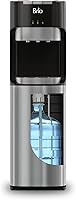
Avalon Water Dispenser Not Pumping Water
If your Avalon water dispenser is not pumping water, start with the three things that stop most units: power, a seated bottle and a low reservoir. If all three are fine, the pump or its water lines likely need cleaning or a reset.
On this page (8 sections)
- Is the dispenser actually getting power?
- Why does the bottle need to be seated correctly?
- What if the reservoir level is too low?
- How do you clear air from the water lines?
- Could scale or slime be blocking the pump?
- When should you reset or service the dispenser?
- How do you stop this happening again?
- Which fix should you try first?
If your Avalon water dispenser is not pumping water, check the power, the bottle seal and the water level first. These three account for most no-flow complaints, and they take minutes to check.
If the dispenser still won't pump after that, cleaning the lines or resetting the unit is the next step. This guide walks through each fix in order, from the simplest to the one that usually needs a part.
Is the dispenser actually getting power?
No power means no pump, so confirm the unit is on before anything else. A dispenser that looks dead or quiet when you press the lever is usually a power problem, not a water problem.
Start at the outlet. Plug a lamp or phone charger into the same socket to confirm the circuit is live.
If the outlet is dead, check the breaker panel or a GFCI outlet nearby and reset it if it has tripped.
Next, check the dispenser's own switch and cord. Many Avalon units have a main power switch at the back or under the base.
Make sure it's in the on position and that the cord isn't pinched behind the cabinet.
On models with a hot water tank, the heating and cooling switches are separate. If the dispenser seems on but nothing responds, unplug it for a minute and plug it back in.
That soft reset clears a locked control board on some units.
If the dispenser trips a breaker the moment you plug it in, stop and get service. That's an electrical fault, not a maintenance issue.
Why does the bottle need to be seated correctly?
The bottle must sit flush so the probe or intake can pull water. A bottle that's slightly off-center or not pushed down can leave the dispenser dry even when it looks full.
On a top-load Avalon, the bottle drops onto a spike or probe in the reservoir. If the bottle cap wasn't removed or the cap seal wasn't punctured, water can't flow.
Lift the bottle, check the cap, and set it down straight.
Look for the bottle collar sitting evenly on the cabinet rim. A tilted bottle can let air in around the probe and stop the draw.
Give it a firm, even push until it settles.
On a bottom-load unit, the bottle sits in the base cabinet and a hose draws water up. Push the bottle connector firmly onto the bottle until it clicks or seats.
A loose connector pulls air instead of water.
If you've just swapped bottles, wait a minute or two. Water needs a moment to fill the reservoir before the pump has anything to move.
What if the reservoir level is too low?
The pump needs water in the reservoir to prime. A dry or low reservoir is one of the most common reasons an Avalon water dispenser stops pumping water.
Look at the sight window or open the top and check the level. On top-load models the reservoir fills from the bottle.
If the bottle is empty or nearly so, the reservoir drains and the pump runs dry.
On bottom-load units, the pump fills the reservoir from the bottle. If the bottle is empty, the pump keeps trying but moves nothing.
Swap in a full bottle and let the unit refill.
If the bottle is full but the reservoir stays low, the water path between them is blocked. That points to a clogged probe, a kinked hose or a stuck valve, which the cleaning steps below address.
Never run the pump for long with a dry reservoir. It can overheat and wear out, and some units shut down to protect themselves.
How do you clear air from the water lines?
Trapped air stops the pump from pulling water, and a simple purge clears it. Air gets in when you change bottles or when a bottom-load connector isn't tight.
For a bottom-load Avalon, press the dispense lever and hold it for several seconds. You may hear gurgling as the pump pushes air out.
Repeat a few times until water flows in a steady stream.
For a top-load unit, lift and reseat the bottle once. That lets water fill the reservoir and pushes air up and out through the probe.
Check that the intake hose on a bottom-load model isn't looped or pinched behind the bottle. A kink traps air and blocks flow.
Straighten it and try again.
If the lever feels loose or the pump sounds weak after purging, the lines may be scaled. Move on to cleaning before assuming the pump has failed.
Could scale or slime be blocking the pump?
Mineral scale and slime build up in the reservoir and lines, and that slows or stops the flow. If the dispenser has gone months without cleaning, this is the likely culprit.
Hard water leaves calcium deposits on the probe, the valve and the internal tubing. Over time the opening narrows until the pump can't push water through.
Slime from the wet environment adds to the blockage.
The fix is a proper descale and clean. Drain the reservoir, apply a dispenser cleaner made for water coolers, let it sit as directed, then rinse thoroughly.
Run a full reservoir of fresh water through and discard it before drinking.
Regular cleaning every few months keeps the pump working and the water tasting fresh. It's the single best maintenance step for any dispenser.
Which cleaner suits an Avalon dispenser?
Pick a cleaner formulated for water coolers, not a general kitchen spray. These three are built for reservoirs and lines.
The IMPRESA kit removes build-up without harming the appliance. It's unscented and tasteless, so it won't leave a smell in the water after rinsing.
The two-bottle pack covers four cleaning sessions.
The Yadool kit pours in, waits 15 minutes and rinses. That short dwell time suits a quick refresh between deeper cleans.
It's a good fit if you want a simple, frequent routine.
The Pristine H2OK cleaner is another option for keeping the reservoir and lines clear. Use it on a schedule so scale never gets the chance to block the pump.
When should you reset or service the dispenser?
Reset the dispenser after cleaning if the pump still won't start. A control reset clears a lockout, but repeated failures mean service.
Unplug the unit for a minute, then plug it back in. On models with a control panel, press the dispense lever once or twice to prompt the pump.
If it starts, you've cleared a temporary fault.
If the pump hums but no water moves after cleaning and purging, the pump or valve may have failed. A grinding or buzzing noise from the base is another sign.
Call Avalon support or a technician when the dispenser leaks from the bottom, trips the breaker or makes a loud mechanical noise. Those are not cleaning issues, and forcing them can cause damage or a shock risk.
How do you stop this happening again?
Clean on a schedule and keep the bottle sealed and seated. Most pump problems start small and build over weeks.
Clean and descale every three months, or more often in hard water areas. Use a cleaner made for water coolers and rinse until the water runs clear with no smell.
Check the bottle seal each time you swap. Remove the cap fully, seat the bottle straight and push a bottom-load connector until it's snug.
Keep the dispenser out of direct sun and away from heat, since warm water grows slime faster. Wipe the drip tray and the dispenser head regularly.
If you're choosing a dispenser or comparing brands, see our Brio vs Avalon water dispenser comparison. For setup and daily use, read how to use an Avalon water dispenser.
Hot water trouble is a separate issue. Our guide to water dispenser hot water not working covers the heating side.
And if you're weighing a switch, Avalon vs Primo water dispenser compares the two for 5-gallon jugs.
Which fix should you try first?
Start with the bottle and the reservoir, since those solve most cases of an Avalon water dispenser not pumping water. Check power, seat the bottle and confirm water is in the tank before touching the pump.
If the unit still won't draw, purge the lines and then clean the reservoir and probe with a cooler cleaner. A scheduled clean every few months keeps the pump pulling and the water fresh.
Only call for service when there's a leak, a breaker trip or a mechanical noise. Everything else is a check you can do yourself in a few minutes.
Frequently asked questions
Why does my Avalon dispenser run but no water comes out?
The pump is running but the water path is blocked or dry. A bottle that isn't fully seated, an empty reservoir or air trapped in the lines will do this, so check the seal and water level first.
How long should I wait after replacing the bottle?
Give it a minute or two for water to settle into the reservoir before you press the lever. On a bottom-load unit the pump needs to draw water up, so a short pause helps.
Does cleaning the dispenser fix a weak pump?
Often, yes. Mineral scale and slime in the lines and reservoir slow the flow and strain the pump, so a proper descale and rinse can bring back normal water pressure.
When should I stop trying and call support?
Stop if the dispenser trips a breaker, leaks from the base or makes a grinding noise. Those point to an electrical or pump failure that needs service, not a cleaning.