Brio vs Primo Water Dispenser: Which Is Better? (October 2026)
Choose Brio for 3 water temperatures and an empty-bottle alert; choose Primo for a simpler hot-and-cold dispenser with push-button controls. Both load a 5-gallon bottle from the bottom and include a 2-step hot-water safety lock.
On this page (6 sections)
Choose Brio for 3 water temperatures and an empty-bottle alert; choose Primo for a simpler hot-and-cold dispenser with push-button controls. Both load a 5-gallon bottle from the bottom and include a 2-step hot-water safety lock.
The main difference is flexibility: the Brio Bottom Loading Water Cooler, Stainless Steel also serves room-temperature water and accepts 3- or 5-gallon bottles. Primo focuses on hot and cold water for a 5-gallon bottle.
 Best for room-temperature water
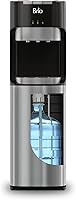
Brio Bottom Loading Water Cooler, Stainless Steel
 Best for simple hot-and-cold use
Primo Hot and Cold Bottom Loading Dispenser
Brio vs Primo water dispenser: what is the main difference?
Brio offers 3 temperatures, while Primo offers hot and cold. That makes the Brio a better fit if you want water that is neither heated nor chilled.
The Brio's LED display includes an empty-bottle alert. The Primo instead adds an LED night light around the spouts, plus a removable, dishwasher-safe drip tray.
Both have bottom-loading designs, so you slide the bottle into the cabinet instead of lifting it onto the top. Both also include a 2-step hot-water safety lock.
| Product | Best for | Temperatures | Bottle fit | Alert | Our score |
|---|---|---|---|---|---|
| Brio Bottom Loading Water Cooler, Stainless Steel | room-temperature water | Hot, cold and room temperature | 3- or 5-gallon jug | Empty-bottle alert | 9.2 |
| Primo Hot and Cold Bottom Loading Dispenser | simple hot-and-cold use | Hot and cold | 5-gallon bottle | 8.2 | |
| Brio 130 Series Bottom Load Cooler | a black 3-temperature option | Hot, cold and room temperature | 5-gallon bottle | Empty-bottle indicator light | 8.4 |
Which dispenser gives you the temperatures you want?
Pick Brio if room-temperature water matters; pick Primo if hot and cold cover your needs. Think about what you pour most often before paying for an extra setting.
The Brio provides hot, cold and room-temperature water. Its 3 settings can work well for a household that fills bottles with unchilled water, makes hot drinks and wants cold water ready too.
Primo is a 2-temperature dispenser. Its hot and cold options handle common drinks, but there is no separate room-temperature setting.
Does room-temperature water change your routine?
Room-temperature water can be useful if you don't want chilled water or plan to fill a bottle for later. The Brio gives you that option at the dispenser.
If you mostly use cold water and hot drinks, Primo keeps the choice simpler. Its push-button controls let you dispense those 2 temperatures without a third setting to consider.
The Brio 130 Series Bottom Load Cooler also offers hot, cold and room-temperature water. It is another option if you want those settings in a black polymer cabinet.
How do their bottle sizes and alerts compare?
Brio takes either a 3- or 5-gallon jug, while Primo is made for a 5-gallon bottle. Match the dispenser to the bottle size you already buy or plan to refill.
The Brio's LED display gives an empty-bottle alert to remind you when a replacement is due. The Brio 130 Series has an indicator light when its bottle is almost empty.
Primo's listed features focus on simple dispensing and a night light rather than a bottle alert. If you want a reminder from the cooler, the Brio's alert is a specific advantage.
For either model, make sure the bottle fits the cabinet and the bottle area stays accessible. Our guide to changing a water bottle on a bottom-load dispenser walks through the basic swap.
Which is easier to use day to day?
Primo keeps dispensing simple with push buttons, while Brio adds a display and temperature choice. Choose based on the controls you want to use each day.
Both models load from the bottom, which avoids lifting and flipping a full bottle onto the top of a cooler. That can make replacement more manageable, though you'll still need to move the bottle into the cabinet.
Primo has a removable drip tray that is dishwasher-safe. Its LED night light illuminates the spouts, which may help you see them in a dim room.
Brio's LED display supports the empty-bottle alert. The stainless-steel model also has stainless-steel accents, while the Brio 130 Series uses a black polymer design.
For more choices that include room-temperature dispensing, see our guide to 3-temperature bottom-load water dispensers. If easy loading is your main concern, our plain guide to bottom-load water coolers explains what to expect from the format.
Which one should you buy for your home?
Choose Brio when you want room-temperature water, a bottle alert or 3-gallon jug compatibility. Choose Primo when hot and cold water are enough and you prefer push-button controls with a night light.
The Brio Bottom Loading Water Cooler, Stainless Steel covers the widest set of needs in this comparison. Its 3 temperature settings, bottle-size flexibility and alert make it the more adaptable pick.
Primo can suit a simpler routine with hot and cold dispensing. Its removable, dishwasher-safe drip tray and illuminated spouts are useful details if you want to clean up drips and see the controls in low light.
The Brio 130 Series is worth considering if you want Brio's 3 temperatures in a black polymer design. Its indicator light helps you know when the bottle is nearly empty.
See our Brio vs Avalon comparison and Avalon vs Primo comparison if you are still weighing brands. For a closer look at Brio's stainless-steel model, read our Brio bottom-loading cooler review.
How to choose between Brio and Primo
Pick by temperature needs first, then check bottle size and the features you'll use. Those choices separate these models more clearly than their shared bottom-load design.
Choose the Brio Bottom Loading Water Cooler, Stainless Steel if you want room-temperature water or might use a 3-gallon bottle. Its alert also helps you notice when the bottle needs replacing.
Choose the Primo Hot and Cold Bottom Loading Dispenser if 2 temperatures are enough and you want push-button controls, an illuminated spout area and a dishwasher-safe drip tray. Choose the Brio 130 Series if you want 3 temperatures in a black polymer design.
For more options across brands and features, browse our brand comparisons for water dispensers.
Frequently asked questions
Is Brio or Primo better for a bottom-load water dispenser?
Brio suits you if you want room-temperature water as well as hot and cold, or need a dispenser that fits 3- or 5-gallon bottles. Primo suits a 5-gallon household that needs hot and cold water with push-button controls.
Both use a bottom-loading design and have a 2-step hot-water lock.
Does the Brio dispenser offer room-temperature water?
Yes. The Brio Bottom Loading Water Cooler, Stainless Steel dispenses hot, cold and room-temperature water.
Primo's hot-and-cold model offers 2 temperatures, so it won't provide a separate room-temperature setting.
Can the Brio and Primo dispensers use 3-gallon bottles?
The Brio Bottom Loading Water Cooler, Stainless Steel is described as fitting 3- or 5-gallon bottles. The Primo model is specified for a 5-gallon bottle, so choose Brio if you want the smaller bottle option.
Do Brio and Primo bottom-load dispensers have child safety locks?
Both models include a 2-step lock for the hot-water spout. Use the lock each time you dispense hot water, and keep hot water out of reach of children even when a safety feature is present.
Does either dispenser include a water bottle?
No. The Brio cooler is supplied without a water bottle, and the Primo is made for a 5-gallon bottle that you load separately.
Check that your jug size matches the dispenser before you bring it home.